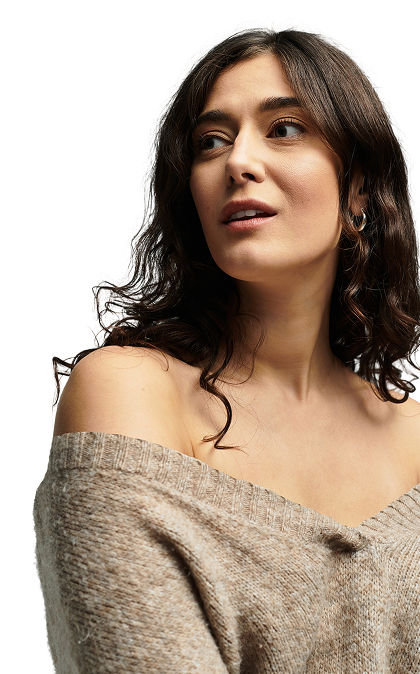
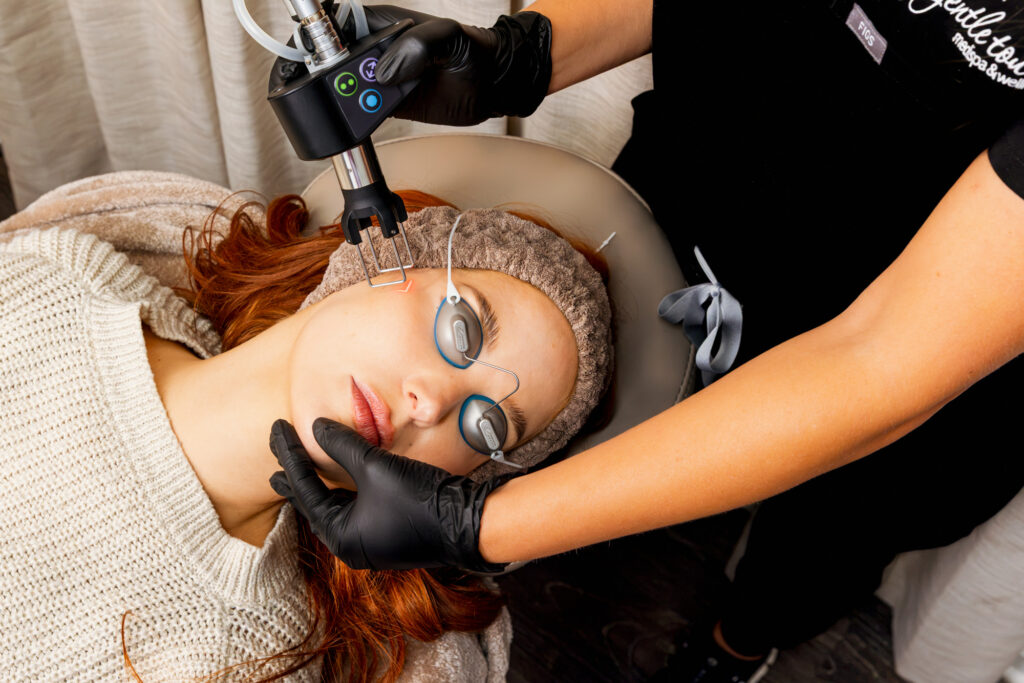
IPL and other appropriate treatments can target excess pigment from sun damage and age spots, helping create a clearer, more even appearance.
Fade Spots and Redness
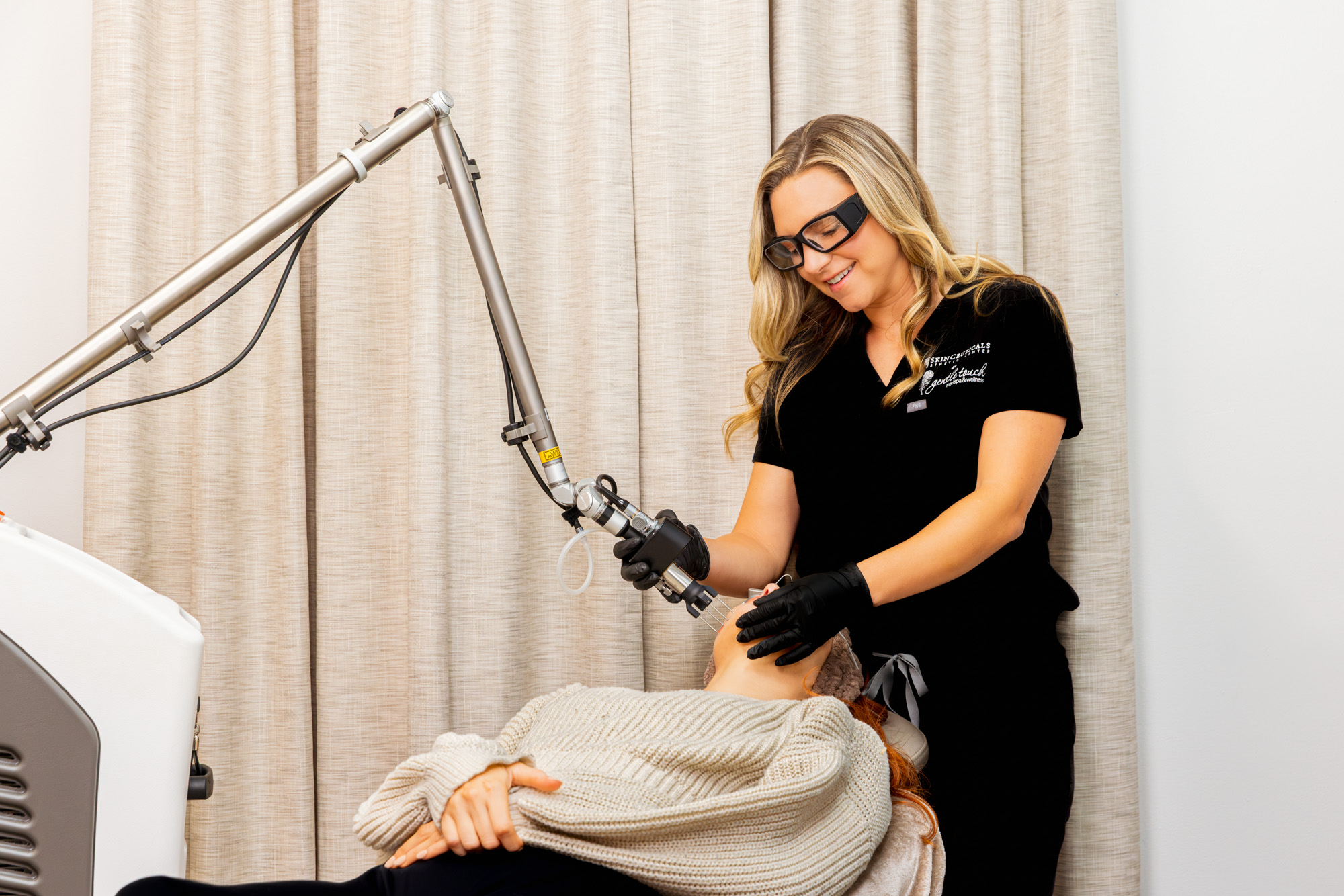
At Gentle Touch MediSpa, we take a personalized approach to discoloration, redness and sun damage, choosing treatments based on what’s causing the color you see and your individual skin.
Tone Concerns We Treat
Dark Spots
- Age spots and sunspots
- Melasma and hormonal patches
- Freckles and birthmarks
- Dark marks left by breakouts
- Patchy, uneven tone
Redness & Vessels
- Facial flushing
- Broken capillaries
- Rosacea redness
- Facial spider veins
- Blotchy patches
- Sun damaged chest
What Happens Beneath The Surface
Pigmentation happens when melanin production increases, often in response to UV exposure, hormones, inflammation or age. Redness works differently—visible vessels and inflammation can create flushing, broken capillaries or persistent redness. Living in Central Florida can make both more noticeable as year-round sun exposure adds up.
Understanding what’s causing the color matters—because sunspots, melasma, post-breakout marks and vascular redness don’t all respond to the same treatment.
Treatment Options for Pigmentation & Redness
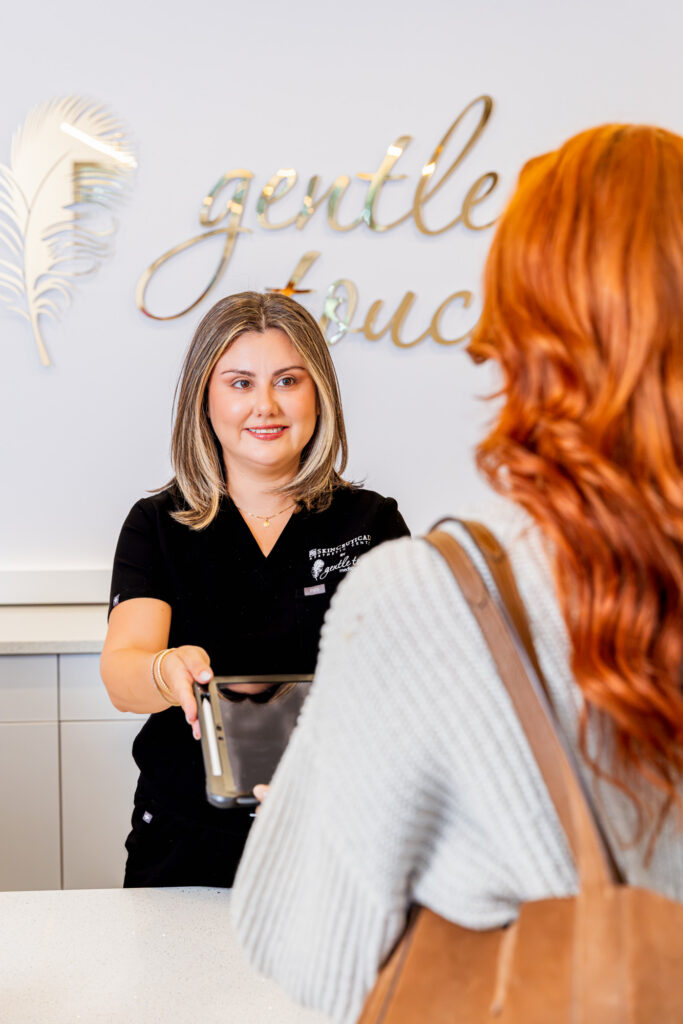
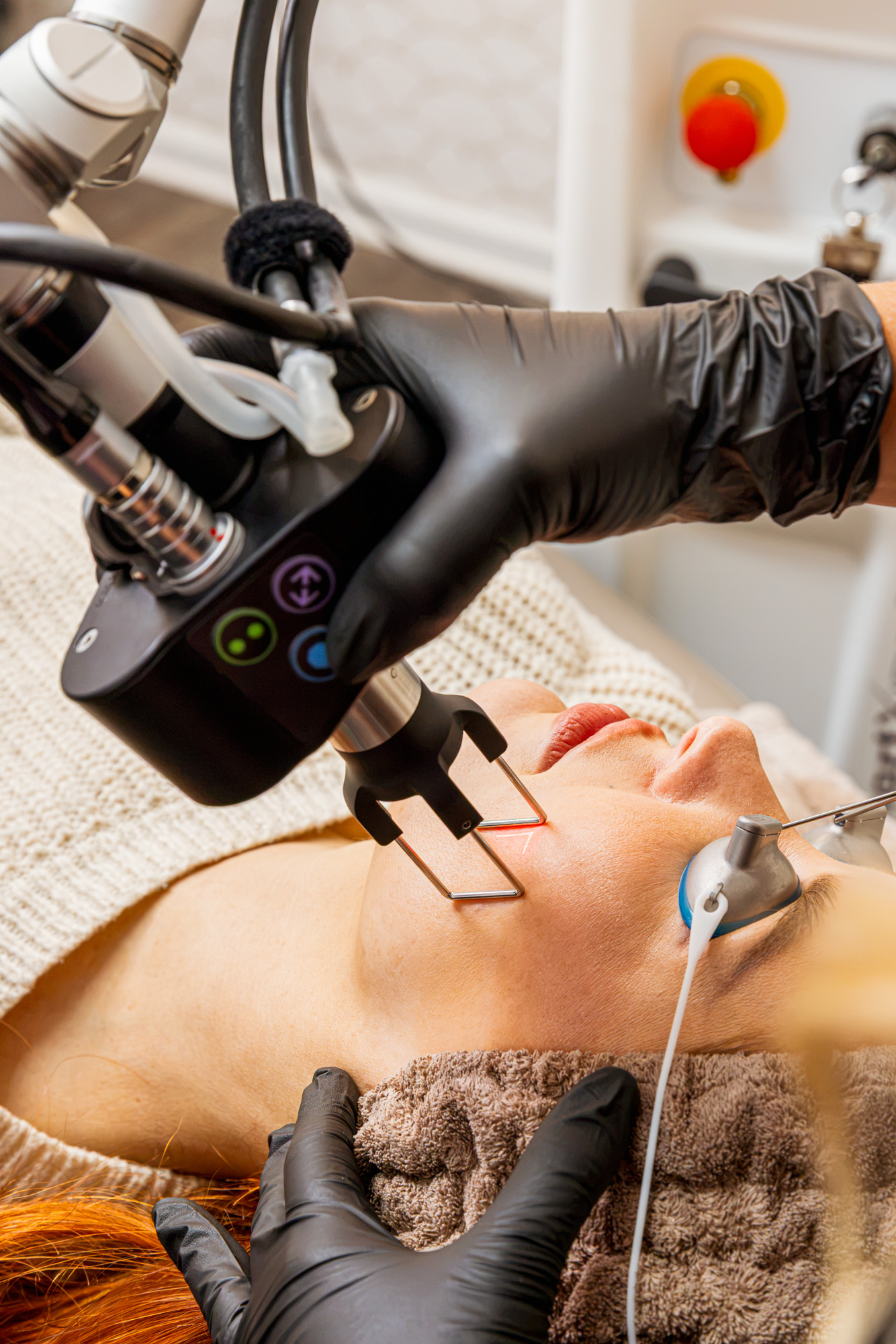
Light-based treatment can target visible vessels contributing to broken capillaries, flushing and certain types of facial redness.
Peels and resurfacing treatments can improve uneven tone while addressing texture and overall skin quality.
Melasma behaves differently from ordinary sun damage and can worsen with the wrong approach. Careful treatment selection and ongoing management matter.
Daily sun protection and the right skincare are essential because new UV exposure can trigger additional pigment—even after successful treatment.
Radiate Beautiful, Confident Possibility
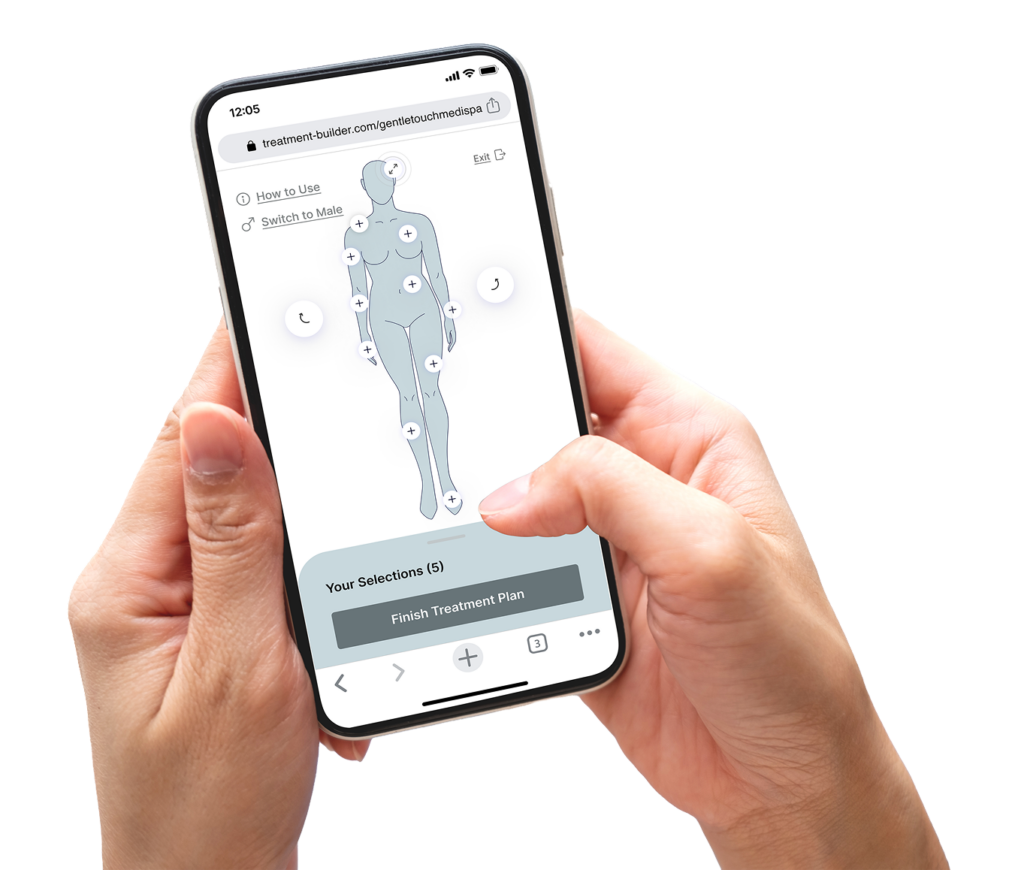
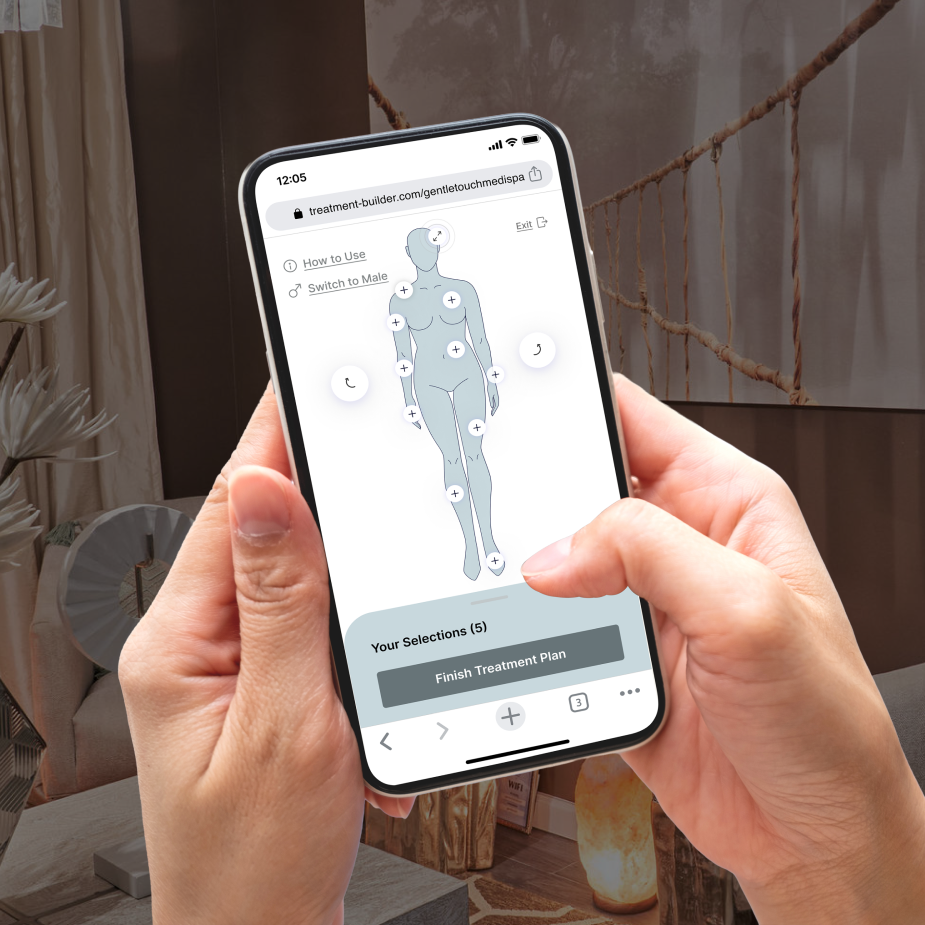
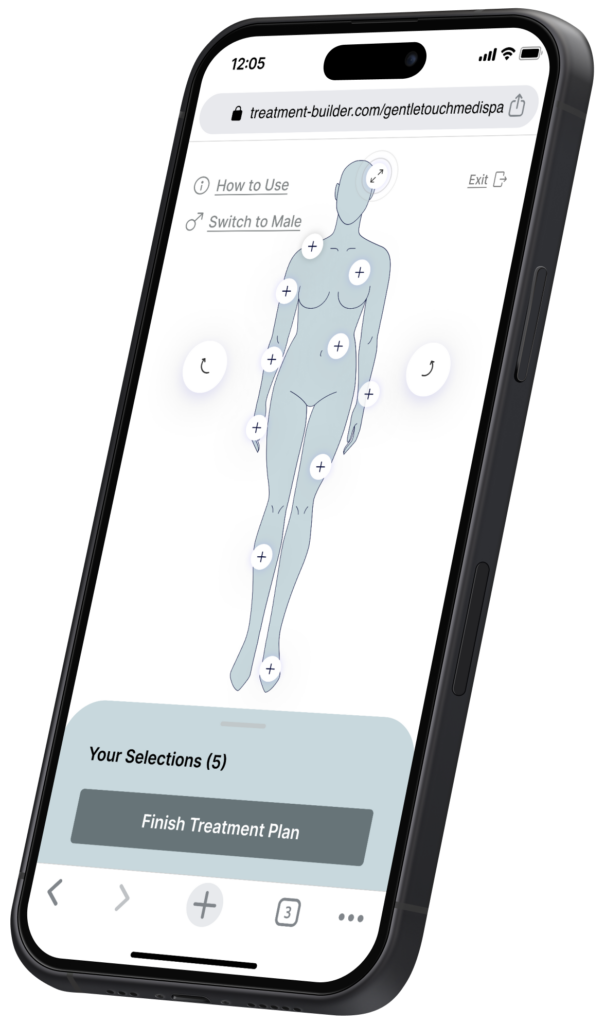
Our treatment planning tool lets you tell us more about your specific concerns, so our experts can craft your personalized care plan.
Your Treatment Journey
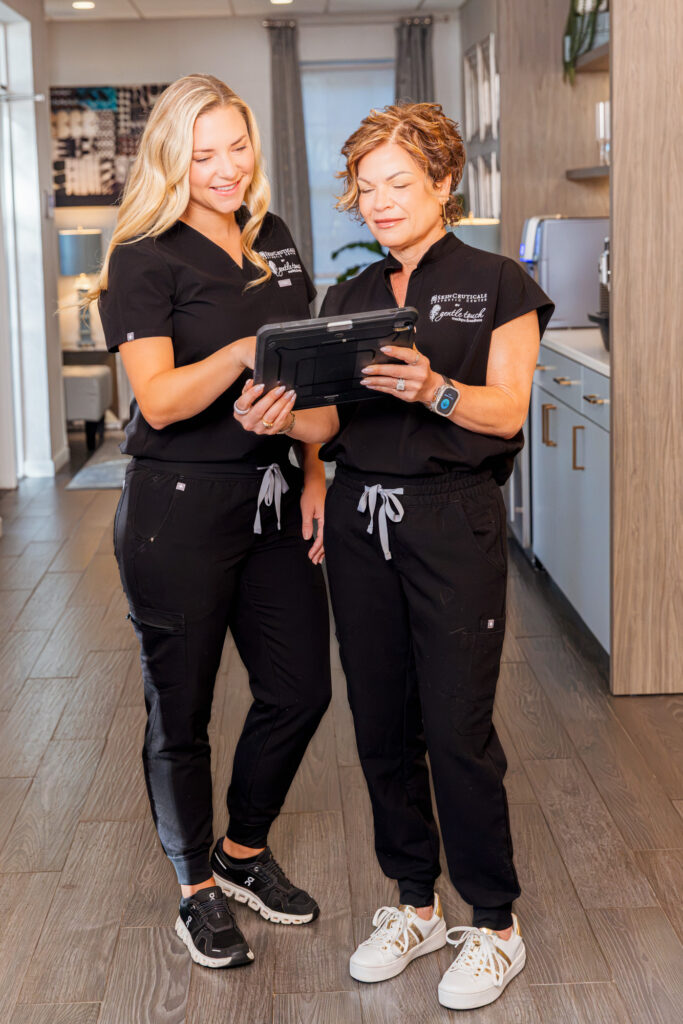
Personalized Consultation
We identify what’s actually causing your discoloration, since sunspots, melasma, and post-breakout marks each behave differently. We also assess your skin type before recommending anything.
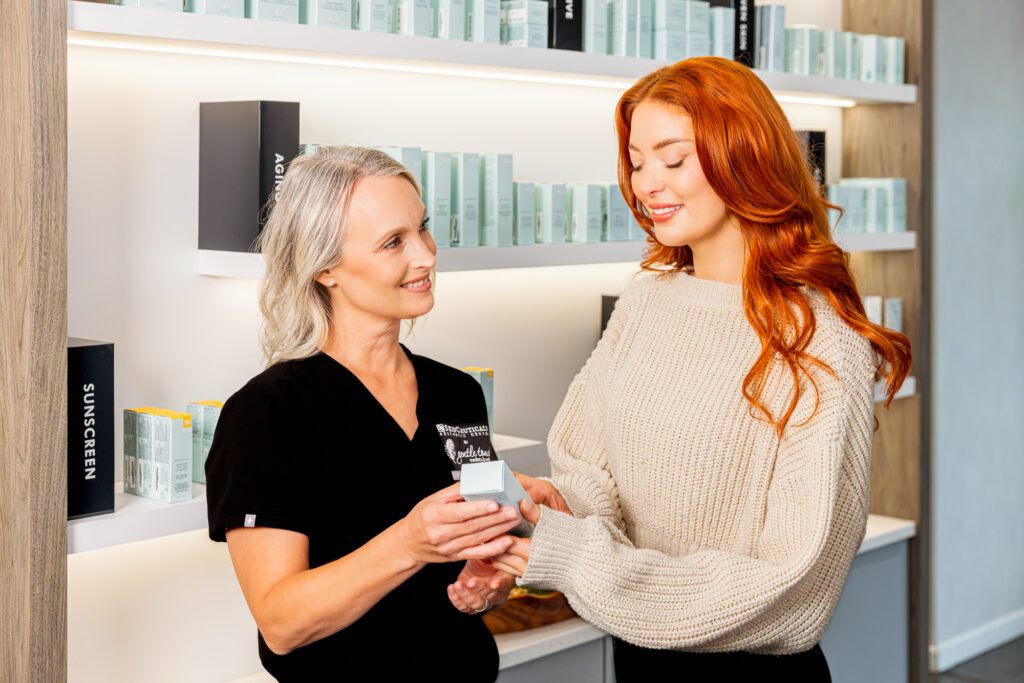
Customized Plan
Your provider builds a plan around the type and depth of discoloration, your skin type and your goals—choosing the treatment or combination of treatments most appropriate for your skin.
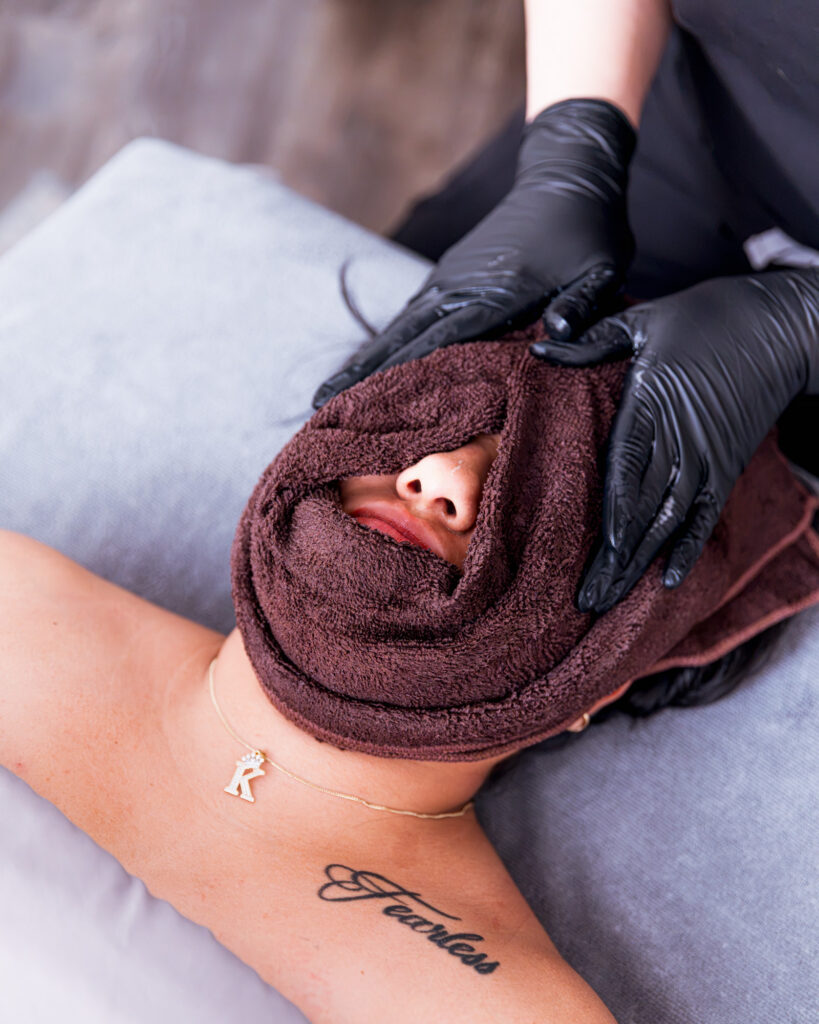
Treatment Session
Your treatment experience will depend on the approach we recommend. We’ll explain what to expect during treatment, how we keep you comfortable and any downtime or aftercare before we begin.
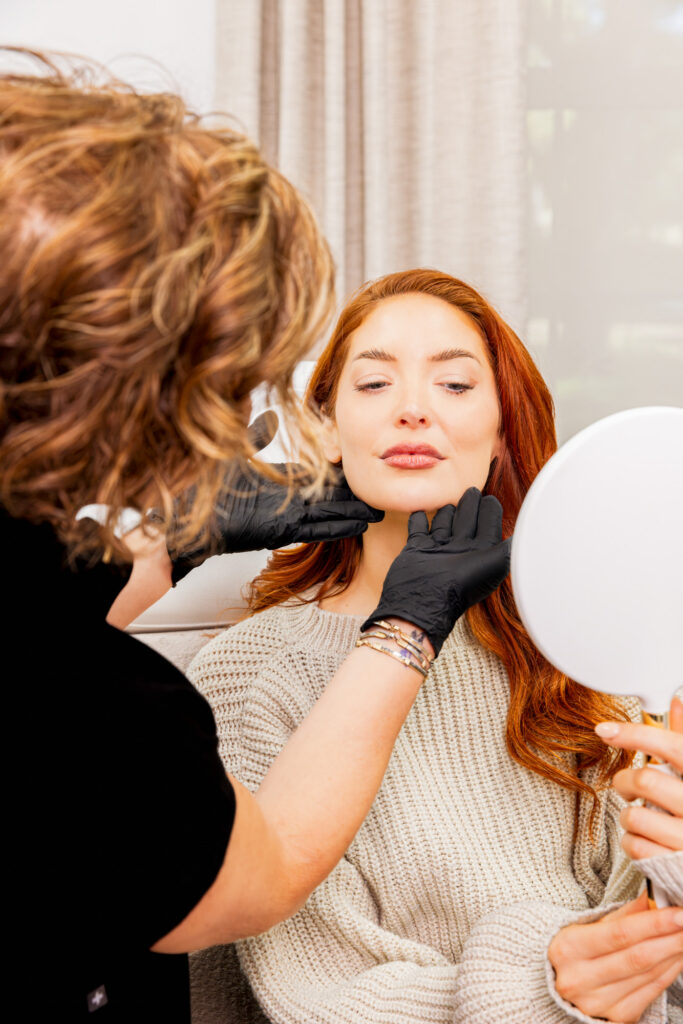
Aftercare Guidance
You’ll leave with clear aftercare and sun-protection guidance to support healing, protect your skin and help maintain your results.
Frequently Asked Questions
It depends on what’s causing it. Sunspots, post-breakout marks, melasma and other types of discoloration behave differently. Depending on your skin and the type of pigment, we may recommend IPL, a chemical peel, resurfacing, medical-grade skincare or a combination of approaches.
It generally takes a few sessions to fully clear pigment. Darker, deeper, or larger areas take longer than small surface spots. You’ll notice results after just one session, and your provider will give you a realistic number at your consultation based on what we’re treating.
Very little. Most people don’t experience any discomfort afterward, though you may feel a little flushed and the treated area might be tender for a bit. Most clients return to their regular activities immediately with no noticeable side effects.
Yes. Light-based rosacea treatment uses pulses of light that target the vessels causing redness and flushing. Many clients see improvement right after their first session, and results tend to last much longer than topical creams alone.
Some light-based devices carry a higher risk of pigment changes on deeper skin tones, which is exactly why we assess your skin type carefully first. If a laser or IPL isn’t the safest choice for you, we’ll say so and recommend other options that get you the same results.
Melasma is hormonally driven, so it behaves differently than sun damage. It can improve a lot with the right approach, but it does tend to recur and needs ongoing management, rather than a one-time fix. We’ll be upfront about what to expect and build a maintenance plan with you.
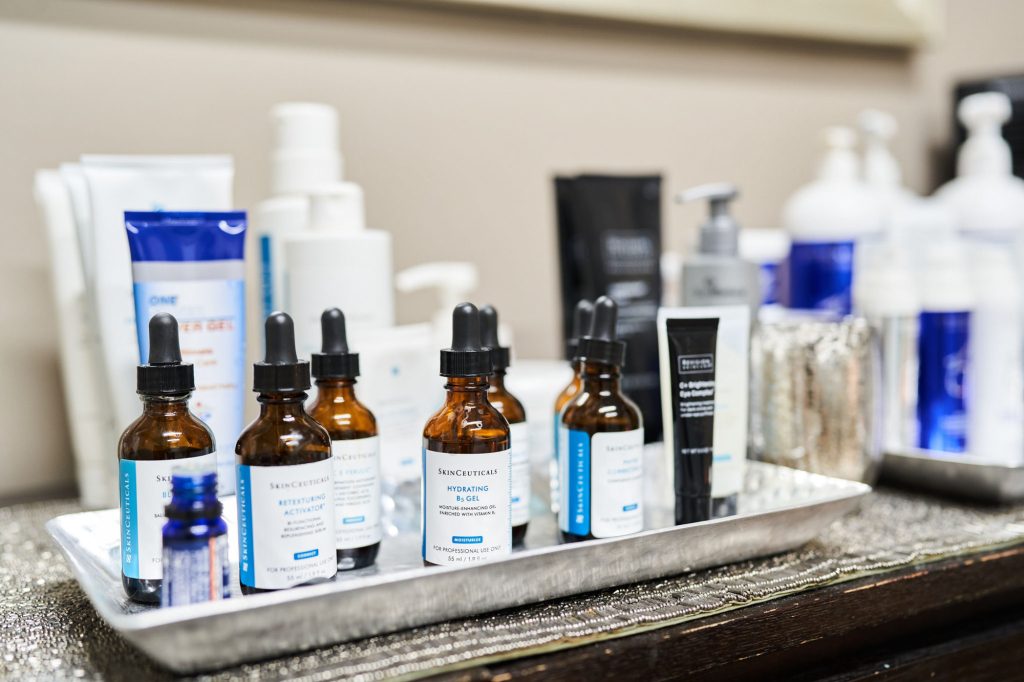
Daily sun protection is the single biggest factor. New UV exposure creates new pigment, so we pair your treatments with medical-grade skincare and SPF guidance to protect the investment you’ve made.
IPL works below the surface without removing any skin, using broad-spectrum light to break up discoloration and calm redness. It suits clients who want steady improvement with essentially no recovery. Laser resurfacing removes damaged surface layers outright, which makes it more powerful for stubborn sun damage and texture concerns, but comes with real downtime. Many clients start with IPL and add resurfacing later if they want more correction.
Yes. Sun damage rarely stops at the jawline, and the chest, shoulders, hands, and forearms are some of the most commonly treated areas. These spots usually need a slightly gentler approach and a few extra sessions, since the skin there is thinner and heals more slowly than the skin on your face.
Fall and winter are ideal in Central Florida because treated skin is especially vulnerable to UV while it heals, and new sun exposure can undo your progress. You can treat year-round with disciplined sun protection—just plan around beach trips, boating weekends, and outdoor events when you schedule your series.
Rarely, and we’d rather tell you that up front. Most clients see meaningful improvement after a single session, then build on it with a series. Pigmentation that’s deeper or covers a larger area simply takes more sessions to work through.
More Ways to Express Your Beauty
Your Journey Starts Here
Schedule Your
Complimentary Consultation
Whether you’re exploring care options or you’re ready to book, our team is here to help you take the next step with confidence.


Build My Treatment Plan